


Startups building grid, renewable energy and electrification hardware in Europe are starting the week with a new variable in their supply chains: Europe is tightening control on electrical steel imports as the EU moves to protect strategic manufacturing capacity.
Provisional safeguards, announced by the European Commission on September 18, 2026, took effect on Friday, September 25, combining import quotas and minimum prices targeting low-cost imports, mainly from Asian suppliers, that have pressured European producers.
For founders whose products depend on transformers, from EV charging and battery storage to data centre power, the rules land in a market where that equipment is already scarce and expensive.
What the safeguards cover
The rules cover grain-oriented electrical steel (GOES), the core material in power transformers, along with the transformer cores and laminations made from it. Imports within quota limits will face prices between €2,800 and €3,400 per metric ton, while volumes exceeding quotas will face a minimum price of €3,500 per ton.
The Commission said the measures cover the wider supply chain rather than only raw electrical steel, and for the first time include cores already built into imported transformers.
The aim is to prevent import pressure from shifting between stages of production. For startups, this means buying a finished transformer from outside the bloc may no longer sidestep the new price floors.
The Commission launched the safeguard investigation in March, and the measures remain provisional while it continues. They apply until February 26, 2027.
Permanent measures would need a qualified majority of member states, and that is not yet assured; in a September 17 committee vote, member states delivered no opinion, neither backing nor blocking the proposal.
Why it matters for founders
The International Energy Agency found that securing a large power transformer can take up to four years, nearly double average lead times since 2021, and that transformer prices have risen by 75% since 2019.
The industry is split on whether the safeguards will make that worse. Axel Eggert, director general of the European Steel Association (EUROFER), said the measure “strikes the right balance” between keeping European production viable and leaving the market open to the imports transformer makers need.
EUROFER puts the added cost to grid electricity at around €0.002 per kilowatt-hour and T&D Europe, which represents grid-technology manufacturers, argues the rules will shift “over €700 million per year” from Europe’s transformer industry to two domestic steel producers.
Demand is set to keep climbing, however. Under its European Grids Package, the Commission estimates the EU will need €1.2 trillion in grid investment by 2040, including €730 billion for distribution networks, the local level where chargers, heat pumps, batteries and electrified factories connect.
For hardware startups, higher input costs and longer waits can squeeze margins, delay pilots and make delivery timelines harder to promise to customers and investors.
But the picture differs for others. European companies working on core materials, transformer design or local processing may find utilities and developers more open to regional suppliers, while software startups that get more capacity out of existing grids could gain as new hardware grows costlier.
Investors are already backing that segment. London-based energy transaction platform tem raised €62.9 million in Series B funding in February, and virtual power plant developer Capalo AI also raised €11 million the same month.
The trade pressure behind the move
The safeguards follow calls from Europe’s steel, automotive and chemical sectors for stronger trade protections. Electrical steel had remained outside earlier EU steel protection measures, despite its role in energy and industrial projects.
Thyssenkrupp Steel Europe and Poland’s Stalprodukt, among the few companies still producing electrical steel in Europe, are expected to benefit. Thyssenkrupp previously cut production at electrical steel facilities in Germany and France, linking the cuts to cheaper imports. CEO Marie Jaroni said the broader approach covers the complete electrical steel value chain, adding that protecting only one product would not address wider market challenges.
Imports from China, Japan, Russia, South Korea and the United States have faced anti-dumping measures since 2015, which the EU introduced through minimum import prices.
According to the Commission, GOES imports rose 120% between 2021 and 2025 alone, with China’s share climbing from 20% to 53%. The new restrictions reflect the EU’s effort to reduce dependence on external suppliers. Countries such as Ukraine will be exempt.
For founders building Europe’s energy transition, the Commission’s final decision will shape component costs and sourcing decisions for years to come.
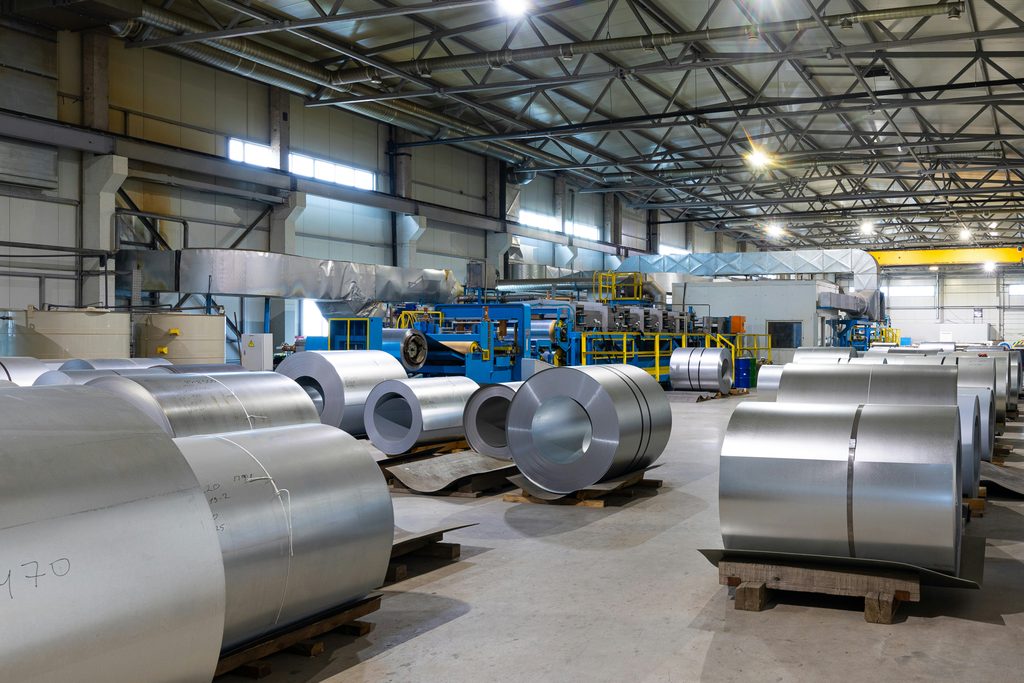
Featured image: Getty Images via Unsplash+